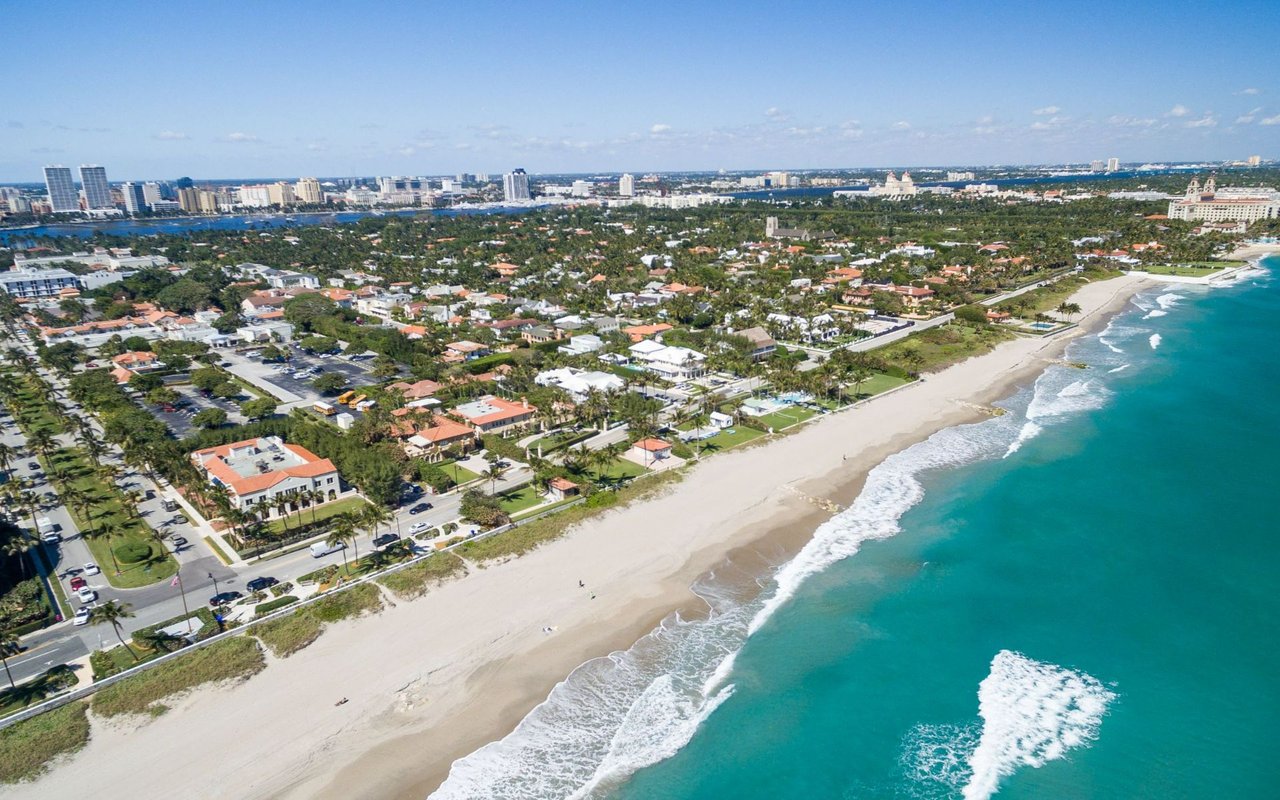
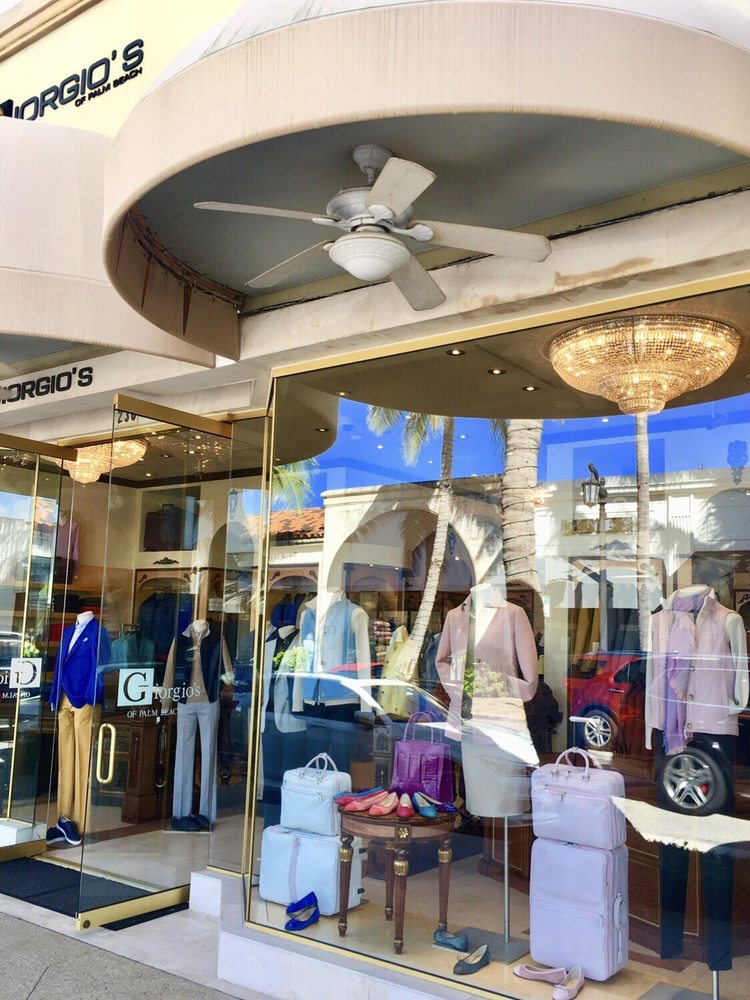
Palm Beach In Town is what most people picture when they imagine daily life on the island, the walkable core surrounding Worth Avenue where residents can leave the car in the garage and reach shopping, dining, the beach, and the Intracoastal on foot. It runs from Wells Road south to Worth Avenue, one of four sequential districts covering the length of the island, alongside the North End (Wells Road to the Palm Beach Inlet), the Estate Section (Worth Avenue to Sloan's Curve), and the South End (Sloan's Curve to Ocean Avenue). It is one of six recognized sub-markets within the Town of Palm Beach, alongside Oceanfront, Intracoastal, the Estate Section, the North End, and the South End, and it stands apart from the others mainly through its housing mix and its walkability rather than through waterfront frontage or lot size.
What "In Town" Actually Means as a Real Estate Market
Where the Estate Section is defined by grand ocean-to-lake properties and the North End by larger, quieter residential lots, In Town is Palm Beach's most compact and mixed-use residential fabric. The housing stock here runs from condominium and co-op buildings, some oceanfront with private beach access and others facing the Intracoastal with marina and city views, to a smaller number of townhomes and single-family homes built on in-town lots that are noticeably tighter than what's typical in the Estate Section or North End. Architecturally, In Town includes everything from Mediterranean Revival buildings dating to the 1920s to more recent construction, reflecting nearly a century of continuous building close to Worth Avenue.
Price Tier: The More Accessible End of the Palm Beach Market
In Town is generally where buyers land when they want a genuine Palm Beach address without competing for oceanfront or Estate Section pricing. As of 2026, condominiums in and around Worth Avenue span a wide range, from roughly the mid six figures for smaller, older co-op residences to eight million dollars and above for larger, full-service oceanfront or Intracoastal buildings, with association fees that vary significantly by building age, amenities, and staffing. Townhomes are the rarest product in town, built in small numbers close to Worth Avenue, the Intracoastal, and the beach, and they carry a premium for that scarcity, with asking prices frequently starting near eight figures for the newest or best-located examples. Smaller in-town single-family homes on tighter lots exist as well, occupying a price tier below the Estate Section's ocean-to-lake compounds, though genuinely modest in-town homes have become harder to find as renovation and new construction activity has pushed values up across the island. Whatever the property type, In Town consistently prices below Palm Beach's oceanfront and Estate Section extremes while still commanding a real premium for its location and walkability.
Walkability: The Defining Feature
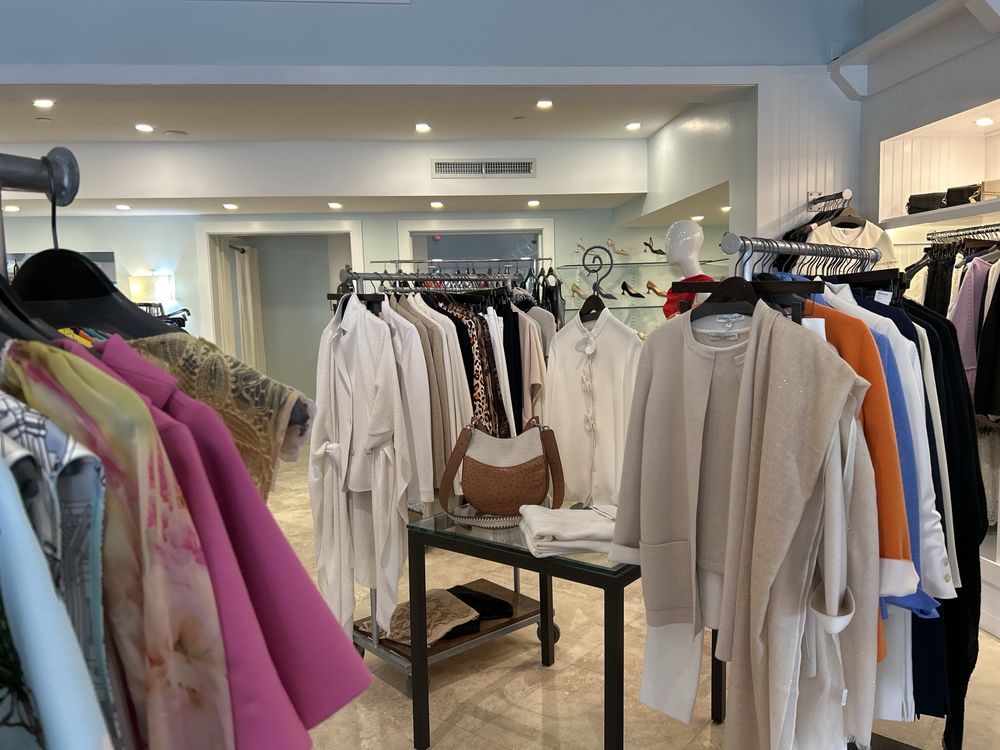
Palm Beach carries a town-wide Walk Score around 72, Very Walkable, and that score is earned largely by the In Town area itself. Worth Avenue's boutiques, galleries, and restaurants sit within walking distance of most in-town addresses, and the Lake Trail along the Intracoastal gives residents a scenic route for walking, running, or biking without ever needing a car. This is the practical difference between In Town and the rest of the island: Oceanfront and Intracoastal addresses running the length of Palm Beach, and especially homes in the North End and Estate Section, tend to be more car-dependent by comparison, while In Town living means errands, dinner, and the beach are all realistically reachable on foot.
How In Town Compares to the Rest of Palm Beach
Each of Palm Beach's sub-markets serves a different kind of buyer. Oceanfront and Intracoastal addresses trade on direct water frontage wherever they happen to sit on the island. The Estate Section is built around the largest, most private ocean-to-lake properties. The North End offers larger lots and a quieter, more residential feel. The South End is known for its boutique and mid-rise condominium buildings. In Town is the one sub-market defined less by water frontage or lot size and more by proximity and walkability, making it the natural fit for buyers who want a full-time or seasonal Palm Beach lifestyle centered on Worth Avenue rather than a private beach or a large estate lot.
Working With Me
In Town is where a lot of buyers discover that Palm Beach doesn't have to mean an oceanfront estate to feel like the real thing. If walkability to Worth Avenue and the Lake Trail matters more to you than acreage, I can help you understand which condo buildings, townhomes, and smaller in-town homes actually fit what you're looking for and how they compare on price. Reach out and I'll walk you through it.
Seth Mansfield | Douglas Elliman
Frequently Asked Questions
What does "In Town" mean in Palm Beach real estate?
In Town refers to the walkable core of Palm Beach around Worth Avenue, a mix of condominiums, townhomes, and smaller single-family homes on in-town lots. It's one of six recognized Palm Beach sub-markets, along with Oceanfront, Intracoastal, the Estate Section, the North End, and the South End.
What types of homes are available In Town in Palm Beach?
Mostly condominium and co-op buildings, ranging from oceanfront towers with beach access to Intracoastal buildings with marina and city views, along with a smaller number of townhomes and single-family homes on tighter in-town lots than you'd find in the Estate Section or North End.
Is In Town more affordable than the rest of Palm Beach?
Generally, yes. In Town consistently prices below Palm Beach's oceanfront and Estate Section extremes, though it isn't inexpensive. Condominiums span from roughly the mid six figures to eight million dollars and above depending on the building, and townhomes are rare enough that they command a real premium starting near eight figures.
Is Palm Beach In Town walkable?
Yes, more than almost anywhere else on the island. Palm Beach carries a town-wide Walk Score around 72, Very Walkable, and that score is driven largely by the In Town area's proximity to Worth Avenue and the Lake Trail, where residents can walk to shopping, dining, and the water.
How is In Town different from the Estate Section or Oceanfront?
The Estate Section and Oceanfront are defined by large lots and direct water frontage. In Town is defined instead by proximity and walkability, a compact, mixed residential fabric close to Worth Avenue that suits buyers prioritizing lifestyle and convenience over acreage or private beach frontage.